





Pregnancy comes with plenty of exciting milestones, but let's be honest: constipation isn't one of them.
In fact, constipation is one of the most common digestive complaints during pregnancy. Between hormonal changes, prenatal vitamins containing iron, and a growing baby putting pressure on your digestive system, many women find themselves struggling with slower digestion than usual.
The good news? Increasing your fiber intake can help support regularity, digestive comfort, and overall gut health throughout pregnancy.
Here are 15 high-fiber foods that can help keep things moving naturally.
Why Fiber Matters During Pregnancy
Fiber is a type of carbohydrate found in plant foods that your body cannot fully digest. Instead, it helps add bulk to stool, supports healthy digestion, and feeds beneficial gut bacteria.
During pregnancy, fiber may help:
-
Support regular bowel movements
-
Reduce occasional constipation
-
Promote healthy digestion
-
Support blood sugar balance
-
Feed beneficial gut bacteria
-
Increase feelings of fullness between meals
Most women should aim for approximately 25–30 grams of fiber per day, yet many fall well short of that goal.
1. Chia Seeds
Fiber: Approximately 10 grams per 2 tablespoons
Chia seeds are one of the most fiber-dense foods available. They absorb liquid and form a gel-like texture that can help support healthy digestion.
Try adding them to:
-
Smoothies
-
Yogurt
-
Overnight oats
-
Homemade energy bites
2. Ground Flaxseed
Fiber: Approximately 5–6 grams per 2 tablespoons
Ground flaxseed contains both soluble and insoluble fiber and is easy to incorporate into everyday meals.
Try sprinkling it into:
-
Oatmeal
-
Smoothies
-
Pancake batter
-
Muffins
3. Oats
Fiber: Approximately 4 grams per cup cooked
Oats provide a gentle source of fiber and can be especially helpful for breakfast when many pregnant women experience digestive discomfort.
4. Raspberries
Fiber: Approximately 8 grams per cup
Raspberries are one of the highest-fiber fruits available and offer a delicious way to increase your daily intake.
5. Pears
Fiber: Approximately 6 grams per medium pear
Leave the skin on whenever possible, as much of the fiber is found in the peel.
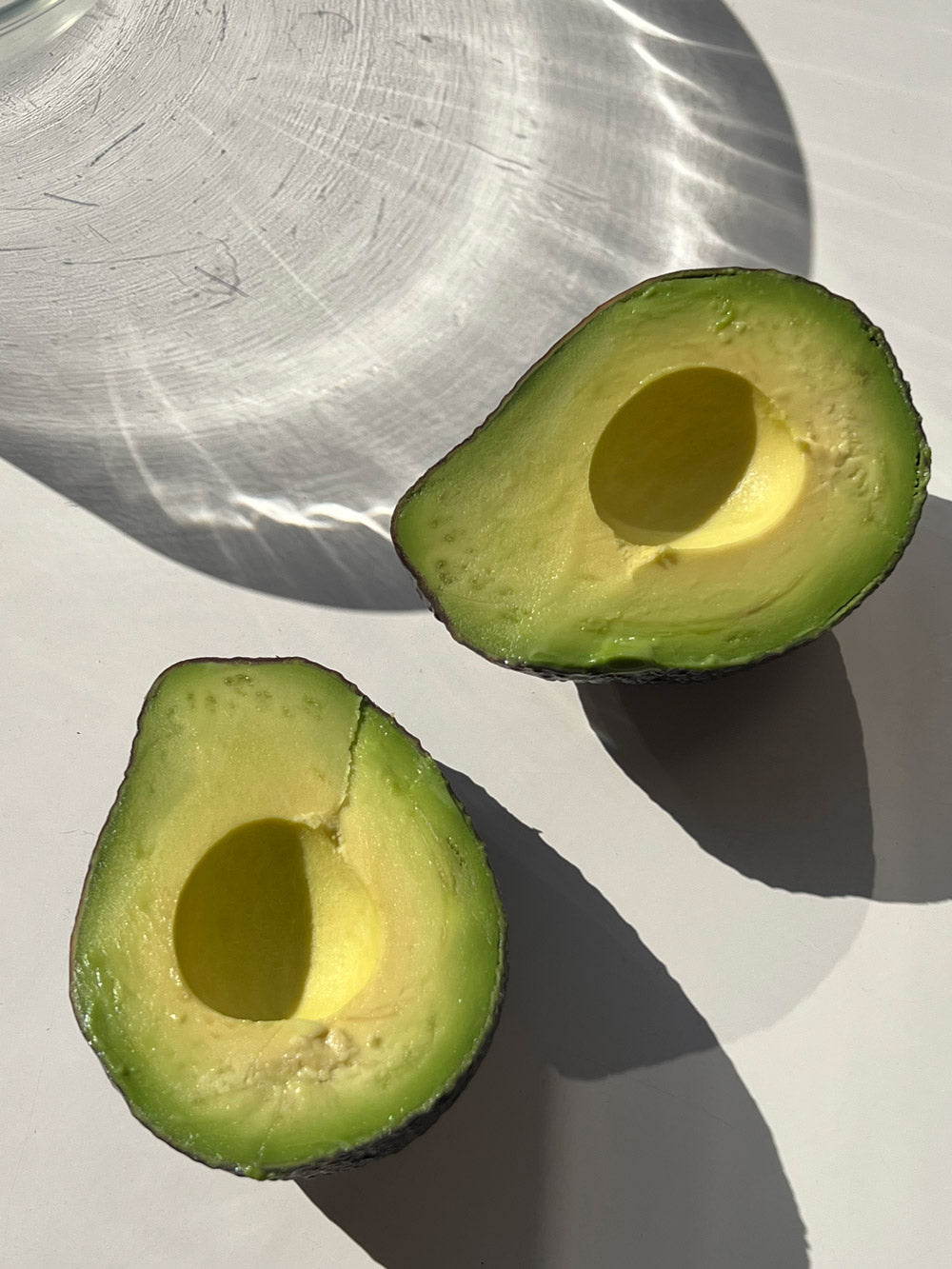
6. Avocados
Fiber: Approximately 10 grams per avocado
Avocados provide both fiber and healthy fats, making them a satisfying addition to meals and snacks.
7. Sweet Potatoes
Fiber: Approximately 4 grams per medium potato
Sweet potatoes are rich in nutrients and provide a comforting, pregnancy-friendly source of fiber.
8. Lentils
Fiber: Approximately 15 grams per cooked cup
Lentils are among the highest-fiber plant foods and also provide protein, iron, and folate.
9. Black Beans
Fiber: Approximately 15 grams per cooked cup
Beans are a powerful source of both soluble and insoluble fiber.
10. Chickpeas
Fiber: Approximately 12 grams per cooked cup
Enjoy them in salads, soups, grain bowls, or homemade hummus.
11. Broccoli
Fiber: Approximately 5 grams per cooked cup
Broccoli provides fiber along with important vitamins and minerals that support overall wellness.
12. Brussels Sprouts
Fiber: Approximately 4 grams per cooked cup
Roasted Brussels sprouts make an easy side dish packed with fiber.
13. Apples
Fiber: Approximately 4–5 grams per medium apple
The skin contains a significant portion of the fiber, so avoid peeling when possible.
14. Baobab Powder
Fiber: Approximately 3–4 grams per tablespoon
Baobab is a naturally fiber-rich fruit powder that can easily be mixed into smoothies, yogurt, or oatmeal.
15. Whole-Food Fiber Blends
Sometimes pregnancy nausea, food aversions, and busy schedules make it difficult to get enough fiber from food alone.
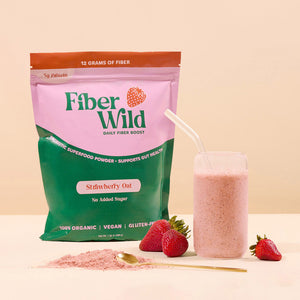
A whole-food fiber blend made from ingredients like chia seeds, flaxseed, oats, fruits, and other plant foods can help bridge the gap while providing a variety of fiber sources.
Tips for Increasing Fiber During Pregnancy
If you're increasing your fiber intake, do it gradually.
Increasing fiber too quickly may lead to:
-
Gas
-
Bloating
-
Digestive discomfort
It's also important to drink plenty of water, as fiber works best when paired with adequate hydration.
A few simple ways to boost your intake:
-
Add chia or flax to smoothies
-
Choose fruit instead of processed snacks
-
Include beans or lentils several times per week
-
Start your day with oatmeal
-
Add a fiber-rich supplement made from real food ingredients
When to Talk to Your Healthcare Provider
Occasional constipation is common during pregnancy, but severe or persistent digestive symptoms should always be discussed with your healthcare provider.
They can help determine whether dietary changes, hydration, activity levels, or other interventions may be appropriate.
The Bottom Line
Pregnancy places unique demands on the digestive system, making fiber more important than ever.
Focusing on fiber-rich foods like chia seeds, flaxseed, berries, beans, oats, and vegetables can help support digestive health and regularity throughout pregnancy.
Small, consistent changes often make the biggest difference. By gradually increasing your fiber intake and staying hydrated, you can help support a healthier, more comfortable pregnancy.

