





If you’ve ever searched for fiber for bloating, you’ve probably seen two completely opposite claims:
• Fiber fixes bloating
• Fiber causes bloating
Both can be true.
The key is understanding which types of fiber help digestion and which ones can make bloating worse.
In this guide, we’ll explain what actually works, what to avoid, and how to add fiber in a way that supports a calm, healthy gut.
Why Bloating Happens
Bloating usually happens when gas builds up in the digestive system.
Common causes include:
• Eating too quickly
• Poor gut bacteria balance
• Constipation
• Food intolerances
• Sudden increases in fiber intake
When fiber ferments in the gut, it can produce gas. But when fiber supports healthy digestion and regular bowel movements, it can actually reduce bloating long-term.
The trick is choosing the right types of fiber.
The Best Fiber for Bloating
Not all fiber behaves the same in your digestive system.
Some fibers are highly fermentable and can create excess gas. Others help regulate digestion and gently move waste through the gut.
1. Psyllium Husk
Psyllium husk is widely considered one of the best fibers for bloating relief.
Why it works:
• Forms a gel that softens stool
• Helps regulate bowel movements
• Feeds beneficial gut bacteria slowly
Unlike some fibers that ferment rapidly, psyllium tends to be better tolerated for sensitive digestion.
2. Flaxseed
Ground flaxseed provides a combination of soluble and insoluble fiber, which helps support balanced digestion.
Benefits include:
• Supporting regular bowel movements
• Helping stool move smoothly through the colon
• Providing omega-3 fats that support gut health
Because flax absorbs water, it’s important to drink plenty of fluids when consuming it.
3. Chia Seeds
Chia seeds are rich in gel-forming soluble fiber.
This fiber can help:
• Slow digestion
• Support regularity
• Reduce digestive discomfort
Chia also provides antioxidants and plant-based omega-3 fatty acids.
4. Oat Fiber
Oats contain beta-glucan, a type of soluble fiber that supports gut health and balanced digestion.
Oat fiber can help:
• Feed beneficial gut bacteria
• Support smoother digestion
• Reduce constipation-related bloating
Fiber Types That May Cause More Bloating
Some fibers are highly fermentable, which can lead to gas and discomfort for sensitive individuals.
These include:
• Inulin
• Chicory root fiber
• Certain sugar alcohols
• Highly processed synthetic fibers
These ingredients are often added to processed fiber supplements and bars, which can trigger digestive symptoms in some people.
How to Add Fiber Without Getting Bloated
If you’ve experienced bloating from fiber before, the problem is often how quickly it was added to your diet.
Follow these steps to make fiber easier on your gut.
Start Slowly
Increase fiber gradually over 1–2 weeks so your gut microbiome has time to adapt.
Drink More Water
Fiber absorbs water in the digestive tract.
Without enough hydration, fiber can slow digestion instead of supporting it.
Aim for at least 8 glasses of water per day.
Choose Whole Food Fiber Sources
Fiber from whole foods often contains supportive nutrients and balanced fiber types, making it easier for the body to digest.
Examples include:
• Chia seeds
• Flax seeds
• Oats
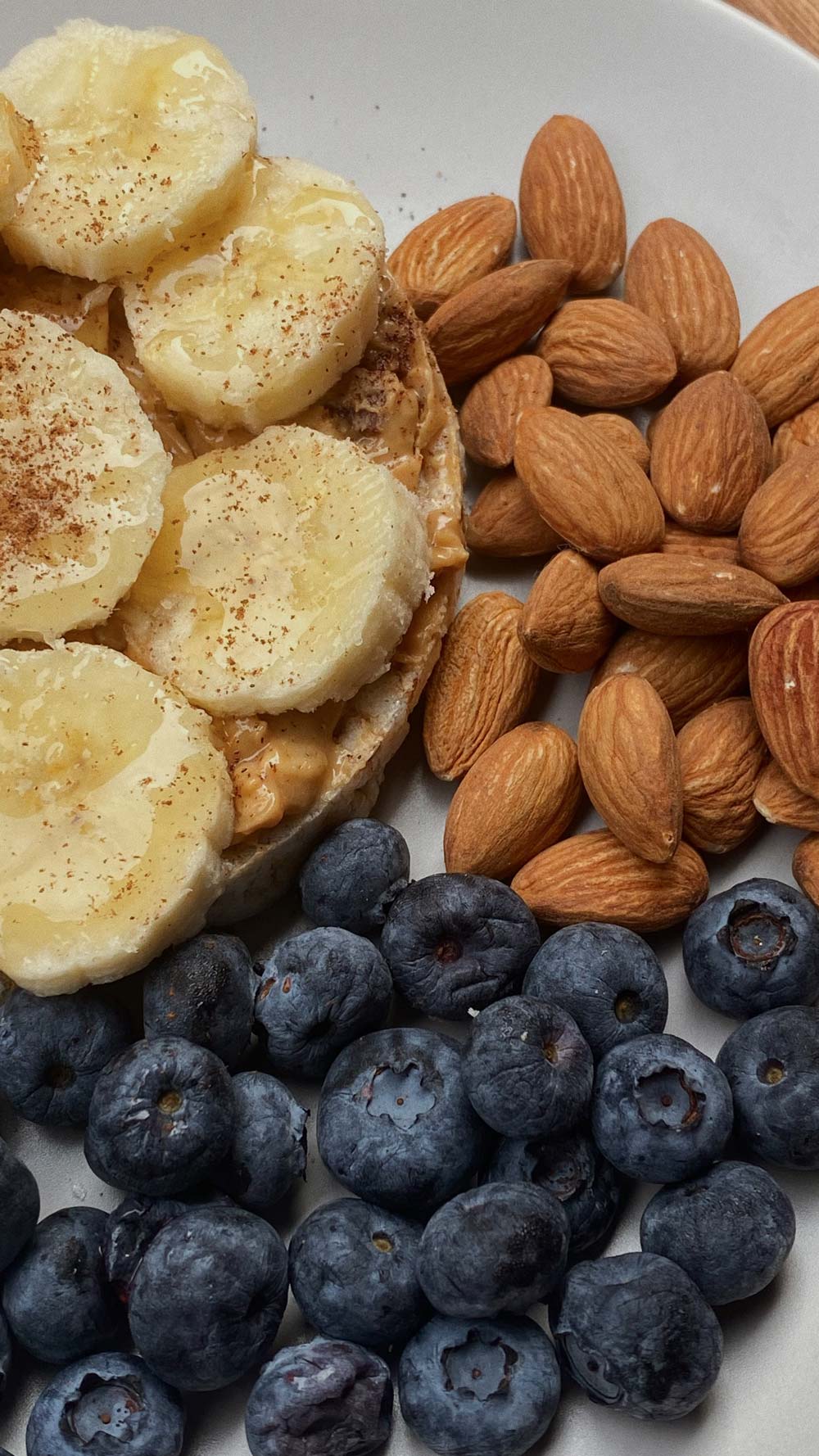
• Fruits like strawberries and bananas
• Legumes
Use a Gentle Fiber Blend
Many people benefit from fiber blends that combine multiple whole-food sources of fiber rather than relying on a single ingredient.
Balanced blends can provide both soluble and insoluble fiber to support digestion.
Can Fiber Actually Reduce Bloating?
Yes — when used correctly.
Fiber supports:
• Regular bowel movements
• Balanced gut bacteria
• Improved digestive transit time
When digestion becomes more regular, gas buildup and pressure often decrease.
This is why many people notice less bloating once their gut adapts to consistent fiber intake.
The Bottom Line
If you’re looking for fiber for bloating, the goal isn’t to avoid fiber — it’s to choose the right kinds and introduce them gradually.
The most helpful fibers for digestion often include:
• Psyllium husk
• Chia seeds
• Flaxseed
• Oat fiber
When paired with hydration and gradual increases, these fibers can help support comfortable digestion and a healthier gut.
Want an Easy Way to Add Daily Fiber?
Many people struggle to get enough fiber from food alone.
A simple daily fiber routine can help support digestion, regularity, and overall gut health.
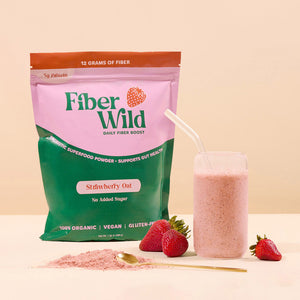
Fiber Wild uses organic whole-food ingredients like chia, flax, oats, and fruit powders to provide a gentle daily fiber boost without artificial additives.

