




By Fiber Wild | Gut Health Education
If you've ever stood in the supplement aisle — or scrolled through pages of fiber powders online — and thought I have no idea what half these ingredients actually are, you're not alone.
Most fiber supplements are marketed with words like "natural," "gentle," and "digestive support." But flip the bag over and read the ingredient list, and a very different picture emerges: maltodextrin, artificial sweeteners, Yellow 6, "natural flavors" (a category that can legally include hundreds of undisclosed compounds), and a long list of additives that have nothing to do with gut health.
We built Fiber Wild because we were moms who got tired of that picture. We wanted a fiber supplement we could actually trust — one made from whole-food ingredients we could recognize, with nothing we couldn't explain to our kids. This guide is the information we wish we'd had before we started reading labels.
Why fiber matters more than most people realize
Fiber is one of the most under-consumed nutrients in the modern diet, and one of the most consequential for long-term health. The average American gets roughly 15 grams per day — about half the recommended amount for women.
But the effects of that gap go well beyond digestion. Research consistently links adequate fiber intake to:
- A healthier, more diverse gut microbiome
- Reduced systemic inflammation
- More stable blood sugar and energy levels
- Better hormone balance, including estrogen metabolism
- Clearer skin
- Reduced risk of colon cancer, heart disease, and type 2 diabetes
The gut microbiome — the trillions of bacteria living in your digestive tract — feeds primarily on fiber. Specifically, on fermentable fiber from whole-food plant sources.
When those bacteria are well-fed, they produce short-chain fatty acids that reduce inflammation, support the gut lining, and communicate with virtually every other system in your body, including your skin, your brain, and your hormones.
The ingredient problem nobody's talking about
Here's the thing about the fiber supplement market: most of it wasn't designed for women who read labels.
The major brands — the ones with the biggest marketing budgets and the widest pharmacy distribution — were formulated decades ago, before "clean ingredients" was a consumer expectation.
They're effective at moving fiber through the digestive tract, but they're padded with:
Artificial sweeteners
Ingredients like aspartame, sucralose, or acesulfame potassium are often added to mask the taste of processed fiber.
Emerging evidence suggests some artificial sweeteners may actually disrupt the bacterial balance they're supposed to help.
Artificial dyes
Yellow 6, Red 40, and similar dyes are often added purely for color.
There is no functional reason for a fiber supplement to be dyed.
"Natural flavors"
"Natural flavors" is a broad FDA-regulated category that can legally include many undisclosed compounds.
For consumers trying to reduce their toxic load or manage sensitivities, this lack of transparency matters.
Maltodextrin and fillers
Maltodextrin is commonly used as a bulking agent or texture enhancer.
It has a higher glycemic index than table sugar and offers no meaningful nutritional benefit.
Processed fiber isolates
There is a meaningful difference between ground chia seeds — which contain fiber alongside protein, omega-3 fatty acids, and minerals — and processed fiber extracts stripped of everything but the fiber fraction.
Whole-food fiber feeds the microbiome more richly because it delivers the full nutritional context of the plant.
How to read a fiber supplement label
Ingredients you want to see
Look for recognizable whole-food plant sources such as:
- Psyllium husk
- Chia seeds
- Flaxseed
- Acacia fiber
- Inulin from chicory root
The shorter and more recognizable the ingredient list, the better.
Ingredients to question
- "Natural flavors"
- Maltodextrin
- Large quantities of stevia or monk fruit
- Any FD&C dyes
Ingredients to avoid if sensitive
- Artificial sweeteners
- Carrageenan
- Added sugars in significant quantities
The gut-skin connection
If you've ever noticed your skin flaring when your digestion feels off — more breakouts, dullness, redness, or hormonal acne — you're not imagining it.
The gut-skin axis is a well-documented biological pathway.
When the microbiome becomes imbalanced, inflammatory signals can travel through the bloodstream and manifest in the skin.
Fiber plays a foundational role in supporting the beneficial bacteria responsible for estrogen metabolism and elimination.
When fiber intake is too low, excess estrogen can be reabsorbed rather than excreted, potentially contributing to hormonal imbalances.
Fiber and hormones in your 30s and 40s
Gut health becomes especially important during perimenopause — the hormonal transition that often begins in a woman's late 30s or early 40s.
As estrogen levels fluctuate, many women notice:
- More bloating
- Digestive changes
- Food sensitivities
- Energy fluctuations
- Hormonal shifts
Research suggests fiber becomes even more important during this stage because it supports:
- Estrogen elimination
- Microbiome diversity
- Blood sugar stability
- Reduced inflammation
The whole-food difference
Not all fiber is equal — even when the gram count looks the same.
Whole-food fiber sources bring along the nutritional complexity of the plant itself.
For example:
- Chia seeds provide omega-3s, minerals, and antioxidants
- Flaxseed contains lignans linked to hormone health
- Psyllium contains soluble and insoluble fiber working together naturally
A diverse blend of whole-food fibers supports a more diverse and resilient microbiome.
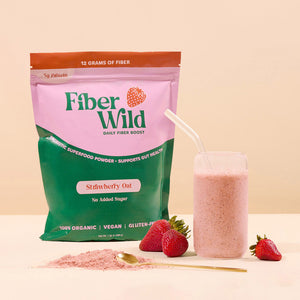
That's why Fiber Wild uses multiple whole-food ingredients rather than relying on a single processed fiber isolate.
For the moms: gut health is a family conversation
Many Fiber Wild customers tell us their kids love it too.
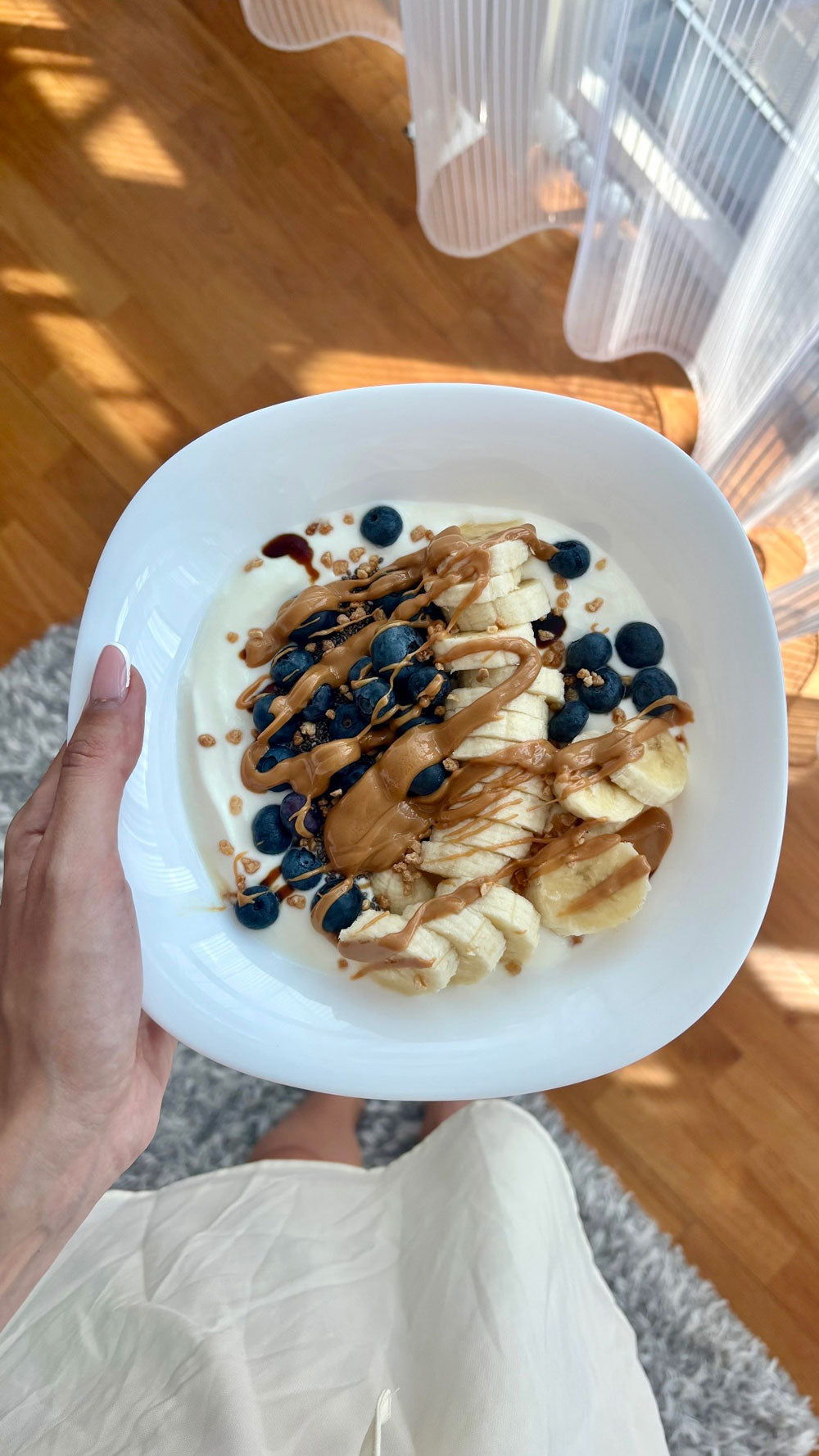
Parents mix it into:
- Smoothies
- Yogurt
- Oatmeal
- Baked goods
Most children in the US are also under-consuming fiber, and microbiome diversity established in childhood can influence lifelong health.
Building simple whole-food fiber habits as a family can have long-term benefits for everyone.
What makes a fiber supplement worth trusting
The ingredients should be recognizable
You should be able to explain every ingredient and why it's there.
The fiber should come from whole-food sources
Not just processed isolates.
There should be nothing unnecessary
No dyes. No fillers. No mystery ingredients.
It should taste like real food
Fiber supplements don't need to taste artificial to taste good.
The brand should explain everything openly
Transparency matters.
The bottom line
Fiber is one of the most impactful things you can consistently do for your gut health, hormones, skin, and long-term wellness.
But ingredient quality matters.
Fiber Wild was created to offer a cleaner, whole-food-based alternative — made with ingredients we actually feel good about giving our own families.
Organic ingredients. No artificial dyes. No synthetic flavors. No unnecessary additives.
Frequently Asked Questions
What is the best fiber supplement for women?
The best fiber supplement for women uses whole-food fiber sources, contains recognizable ingredients, and avoids artificial additives and dyes.
Is psyllium husk a good fiber source?
Yes. Psyllium husk is one of the most researched soluble fibers and is commonly used to support digestion and gut health.
Can fiber help hormonal acne?
Fiber supports estrogen metabolism and microbiome health, both of which may influence hormonal acne patterns.
What is a clean alternative to Metamucil?
A clean alternative uses whole-food fiber ingredients without artificial sweeteners, dyes, or unnecessary additives.
Is fiber important during perimenopause?
Yes. Fiber supports hormone balance, digestion, blood sugar stability, and microbiome diversity during hormonal transitions.
How much fiber do women need daily?
Most women should aim for roughly 25 grams of fiber daily, though many currently consume far less.

