





For years, protein has been the star of the weight loss conversation. Walk into any grocery store and you'll find protein bars, protein shakes, protein chips—even protein cereal.
But ask many registered dietitians what they recommend first for lasting appetite control, and you may be surprised by the answer:
Fiber.
Protein certainly has an important role in a healthy diet, but if your goal is feeling fuller, eating less naturally, and supporting long-term weight management, getting enough fiber may be even more important.
Here's why.
Why Fiber Is So Effective for Weight Loss
Fiber is the part of plant foods your body can't fully digest. Instead of being broken down quickly, it slows digestion and helps regulate how quickly food leaves your stomach.
This creates several benefits that support healthy weight loss:
-
Helps you stay full longer
-
Naturally reduces cravings between meals
-
Slows digestion for more stable energy
-
Helps reduce blood sugar spikes after eating
-
Supports a healthy gut microbiome
Unlike restrictive diets that rely on willpower, fiber works with your body's natural hunger signals.
Fiber vs. Protein: Which Keeps You Fuller?
Protein and fiber both contribute to satiety, but they work differently.
Protein
-
Helps preserve muscle
-
Supports metabolism
-
Promotes fullness through hormone signaling
Fiber
-
Adds bulk to meals without adding many calories
-
Expands with water to create physical fullness
-
Slows stomach emptying
-
Feeds beneficial gut bacteria that influence appetite hormones
The best approach isn't choosing one over the other—it's making sure you're getting enough of both.
However, most Americans already prioritize protein while falling far short on fiber.
The Fiber Gap Most People Don't Realize Exists
The average American consumes only about 15 grams of fiber per day.
Women should aim for roughly 25 grams daily, while men should target 38 grams.
That means most adults are only getting about half of what they need.
Without enough fiber, even high-protein meals can leave you feeling hungry again sooner than expected.
Why Dietitians Often Recommend Fiber First
When clients struggle with constant hunger or late-night snacking, dietitians frequently start by looking at fiber intake.
Increasing fiber can help people:
-
Feel satisfied after meals
-
Snack less frequently
-
Reduce overeating without counting calories
-
Improve digestion
-
Support healthy cholesterol levels
-
Feed beneficial gut bacteria
Rather than focusing only on eating less, fiber helps make eating less feel easier.
The Best High-Fiber Foods for Appetite Control
Aim to include fiber throughout the day from whole foods like:
-
Chia seeds
-
Flaxseed
-
Oats
-
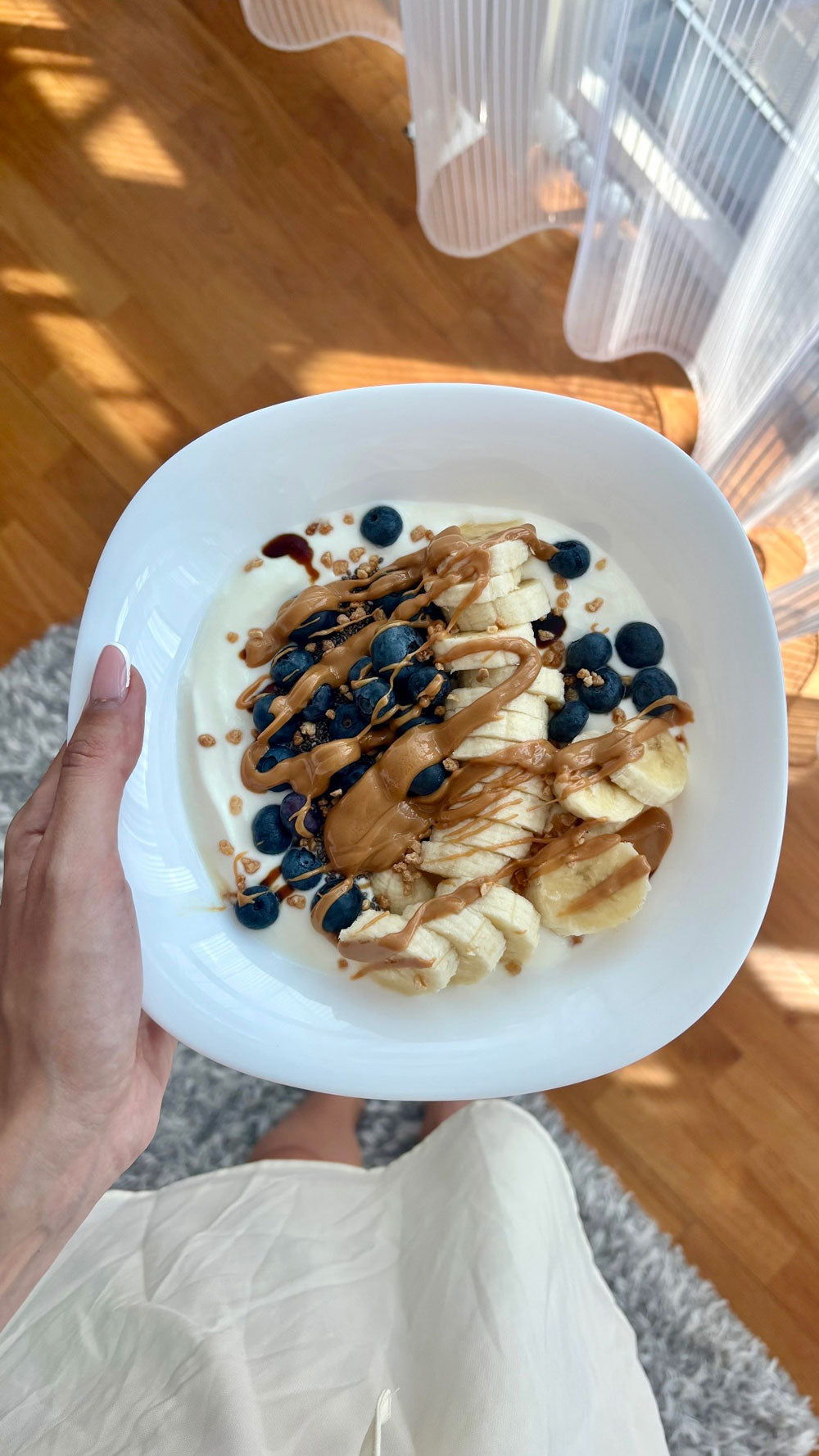
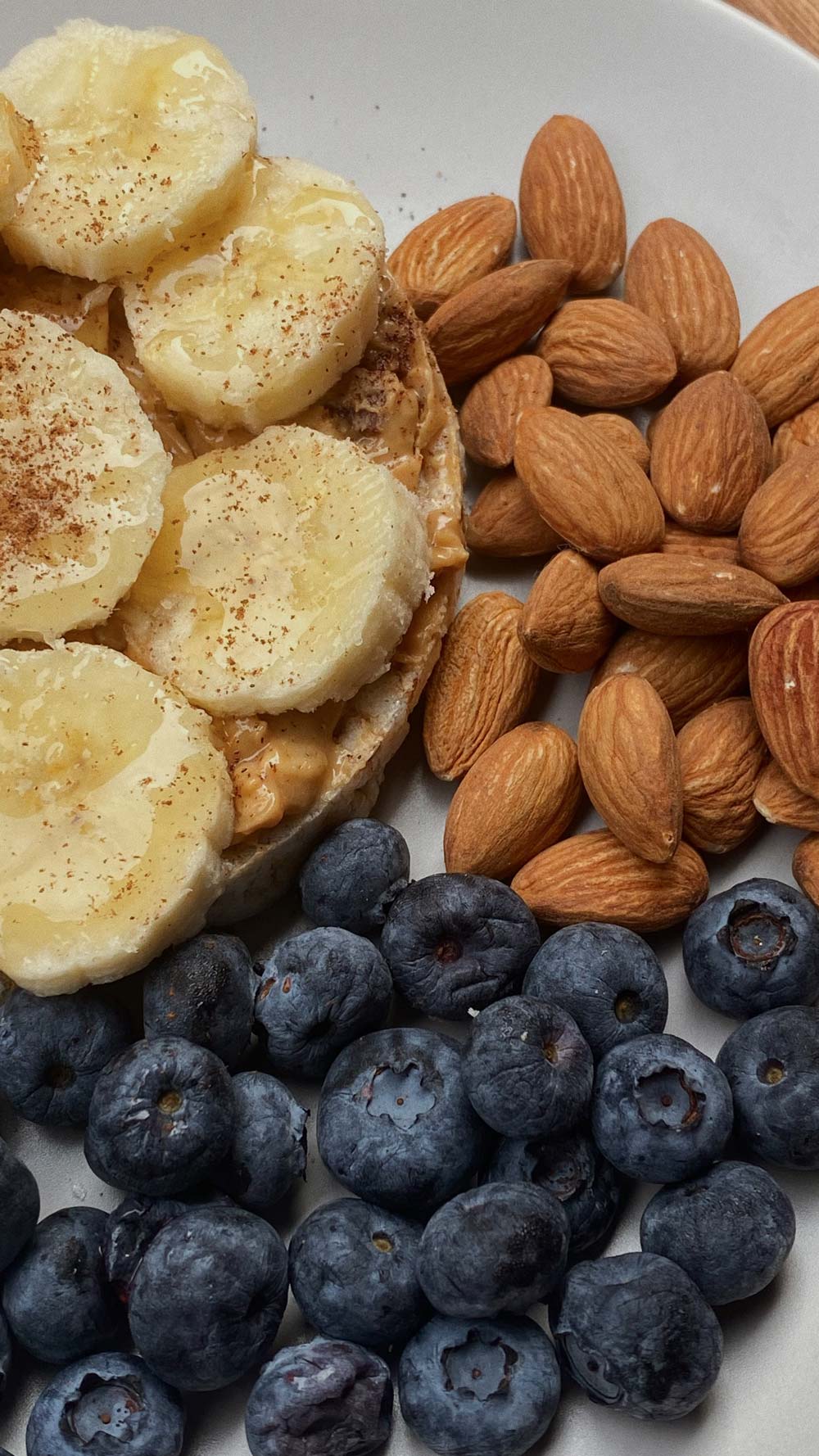
Berries
-
Apples
-
Pears
-
Lentils
-
Chickpeas
-
Black beans
-
Avocados
-
Vegetables
-
Whole grains
The more variety, the better.
Different fibers nourish different beneficial bacteria inside your gut.
What About Fiber Supplements?
Whole foods should always be the foundation.
But many people struggle to consistently reach 25–38 grams of fiber every day.
That's where a clean fiber supplement can help fill the gap.
Look for one with:
-
Real food ingredients
-
No artificial sweeteners
-
No artificial colors
-
No fillers
-
Minimal ingredients
A quality fiber supplement should complement a healthy diet—not replace it.
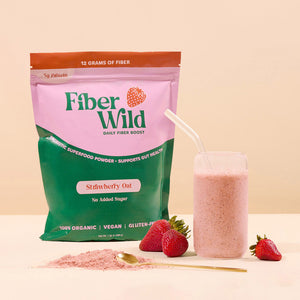
How Fiber Wild Makes Getting Enough Fiber Easy
At Fiber Wild, we believe getting more fiber shouldn't feel like taking medicine.
Our fiber blends are made with simple, recognizable ingredients and designed to fit easily into everyday routines.
Whether you stir it into yogurt, blend it into a smoothie, or simply mix it with water, it's an easy way to increase your daily fiber intake while supporting digestion, fullness, and overall wellness.
The Bottom Line
Protein deserves its place on your plate—but fiber deserves just as much attention.
If you're constantly hungry, struggling with cravings, or trying to lose weight without feeling deprived, increasing your fiber intake may be one of the simplest changes you can make.
Small daily habits often create the biggest long-term results.
Start by adding more fiber-rich foods to your meals—and if you need a little help reaching your daily goal, Fiber Wild is here to make it easier.
Frequently Asked Questions
Does fiber help you lose weight?
Fiber doesn't directly burn fat, but it can help support weight loss by increasing fullness, reducing hunger, stabilizing blood sugar, and making it easier to eat fewer calories naturally.
Is fiber better than protein for weight loss?
Fiber and protein work best together. Protein supports muscle maintenance while fiber helps control appetite and promotes fullness. Most people already consume enough protein but not enough fiber.
How much fiber should I eat to lose weight?
Women should aim for about 25 grams of fiber per day, while men should aim for 38 grams. Gradually increase your intake and drink plenty of water.
What is the best fiber for appetite control?
A combination of soluble and insoluble fibers from whole foods like chia seeds, oats, flaxseed, fruits, vegetables, and legumes provides the greatest overall benefits for fullness and digestive health.

